
Home / Blog / Kids & Money
Three Money Jars for Kids: Give, Save and Spend
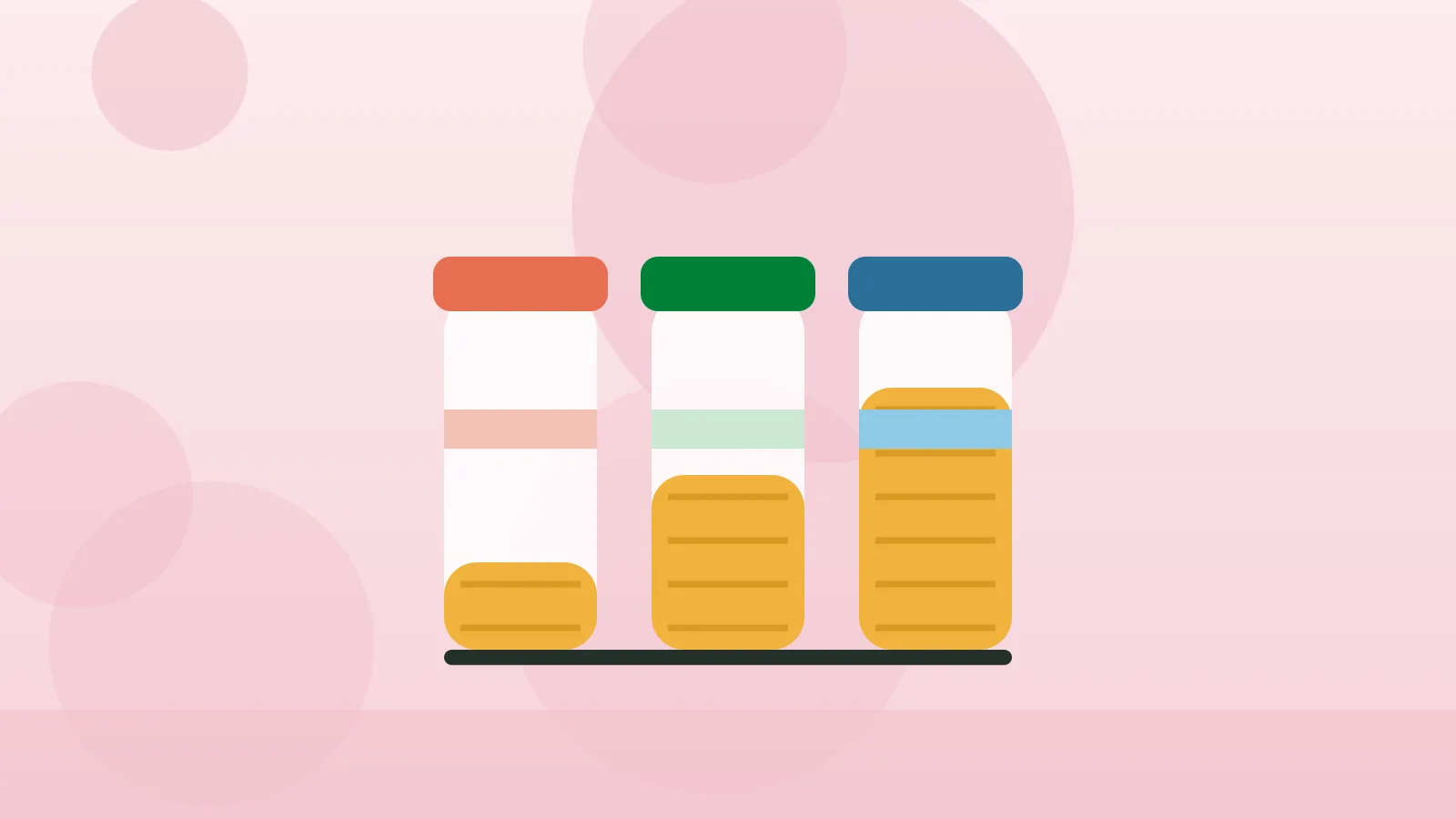
It is good for children to understand from a young age where money comes from and what it can be used for. One of the simplest ways to teach this is to split all the money a child receives into three parts: some is given, some is saved and some can be spent. When the split is always done the same way, it becomes a habit that lasts into adulthood.
Where the method comes from
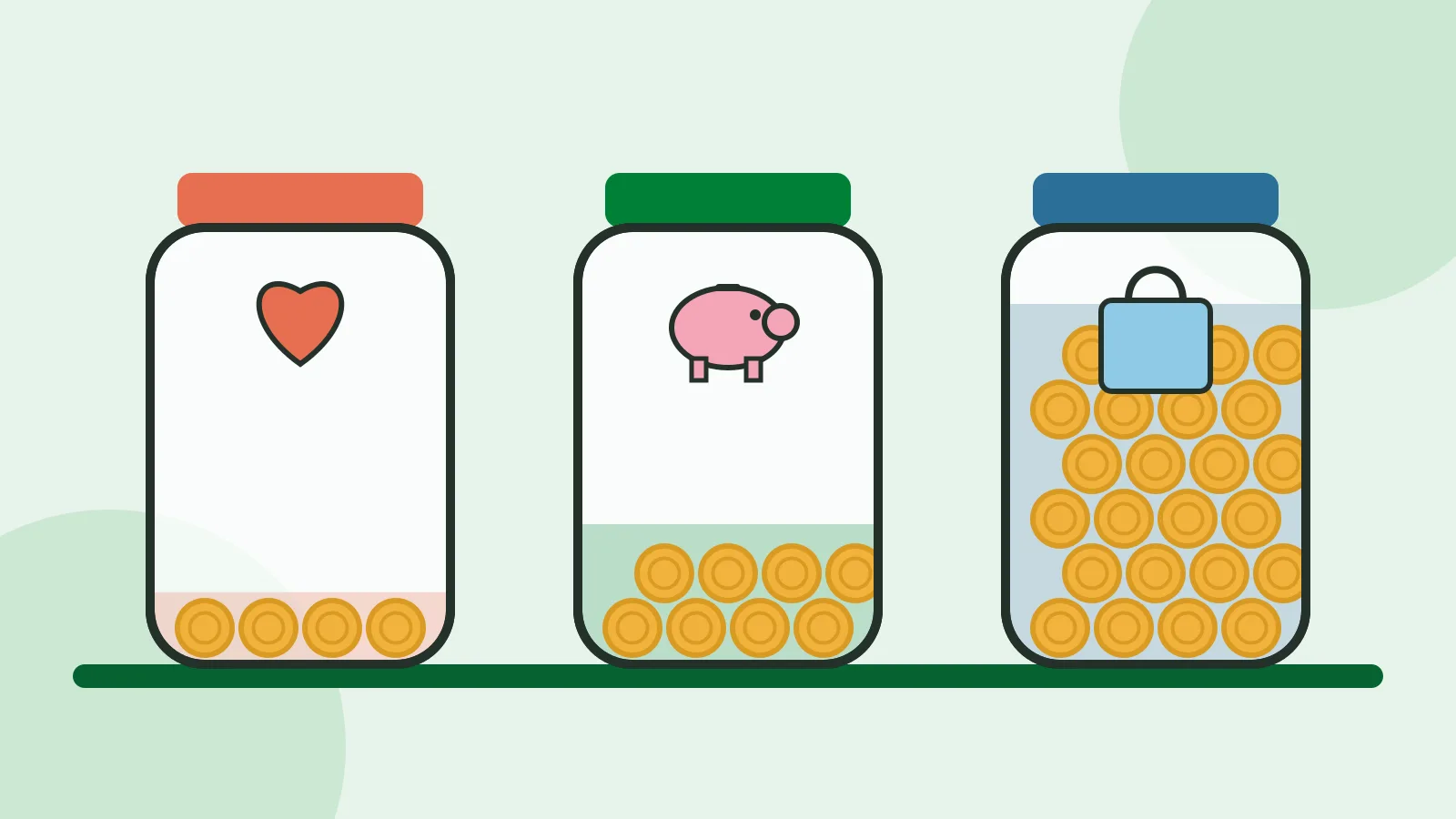
In their book Smart Money Smart Kids (2014), Dave Ramsey and Rachel Cruz suggest that children aged about 5 to 13 have three money categories. All income, such as payment for chores, pocket money and cash gifts, is split between them:
- Give, 10%. A donation to charity or a gift for someone else.
- Save, 20%. For a bigger goal or for the future.
- Spend, 70%. The child decides what to spend it on.
A similar split appears in the Finnish book Koululaisen rahakirja (“The schoolchild’s money book”) by Terhi Majasalmi and Camilla Tuominen. Its three accounts are:
- An investment account for long-term saving and investing
- A dream account for shorter-term goals, such as a new phone
- A spending account for everyday spending.
The Finnish model leaves out giving, but it separates short-term and long-term saving. Both models work, and you can combine them: four jars (give, dream, invest, spend) suit an older child well.
What each jar teaches
| Jar | Share | What the child learns | Examples |
|---|---|---|---|
| Give | 10% | Money can help others and bring joy to people close to you. | A school fundraiser, an animal charity, a gift for a grandparent. |
| Save | 20% | Patience, and that big things need planning ahead. | A bike, a game, or a fund that grows for years. |
| Spend | 70% | Making choices: once the money is spent, it is gone. | Sweets, stickers, a cinema ticket, small toys. |
The percentages are a guide. What matters most is that not all money goes straight to spending, and not all of it goes to savings either. If a child never gets to spend money themselves, they don’t learn to make choices or to live with a bad purchase.
Example: 10 € of weekly pocket money
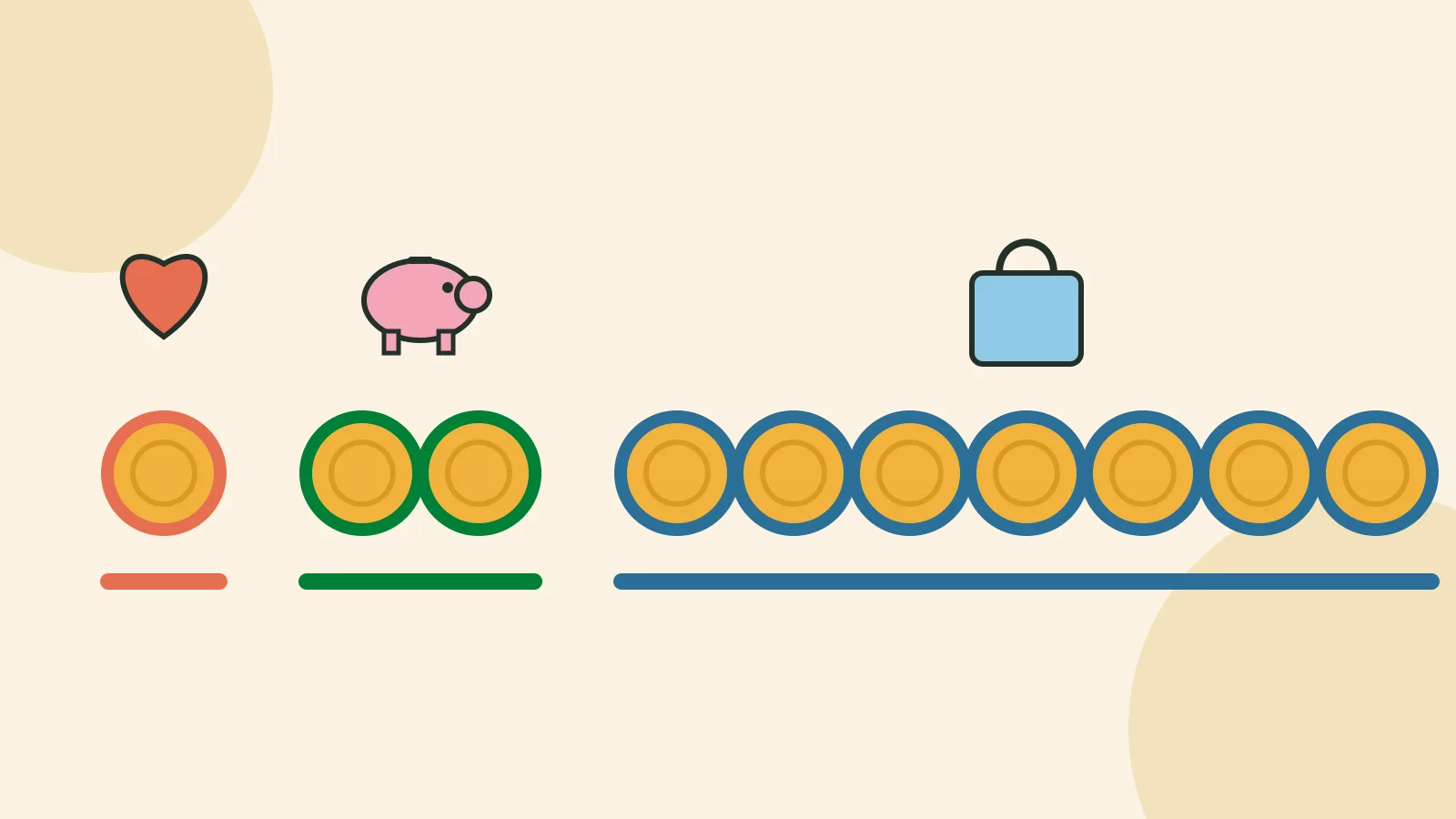
If a child gets 10 € a week, the split looks like this:
- 1 € to the give jar. About 4 € builds up each month, and the child can decide where to donate it.
- 2 € to the save jar. Over 100 € builds up in a year, which is enough for a bigger purchase.
- 7 € to spend. The child decides, and also lives with the result.
With a younger child, do the split with coins so they can see and feel it. One- and two-euro coins divide easily.
How to start
- Get three see-through jars. Glass jars or plastic boxes work well. Seeing the money grow makes saving rewarding.
- Make the labels together. The child can draw a picture on each jar: a heart, a piggy and a shopping bag.
- Agree on the split. Write the percentages or euro amounts on paper next to the jars.
- Split the money as soon as it arrives. Pocket money, chore money or birthday money goes into the jars before anything is bought.
- Set a savings goal. A picture of the goal on the save jar helps the child keep going.
- Decide together where the give jar goes. It matters to the child to choose the cause themselves.
The method grows with your child
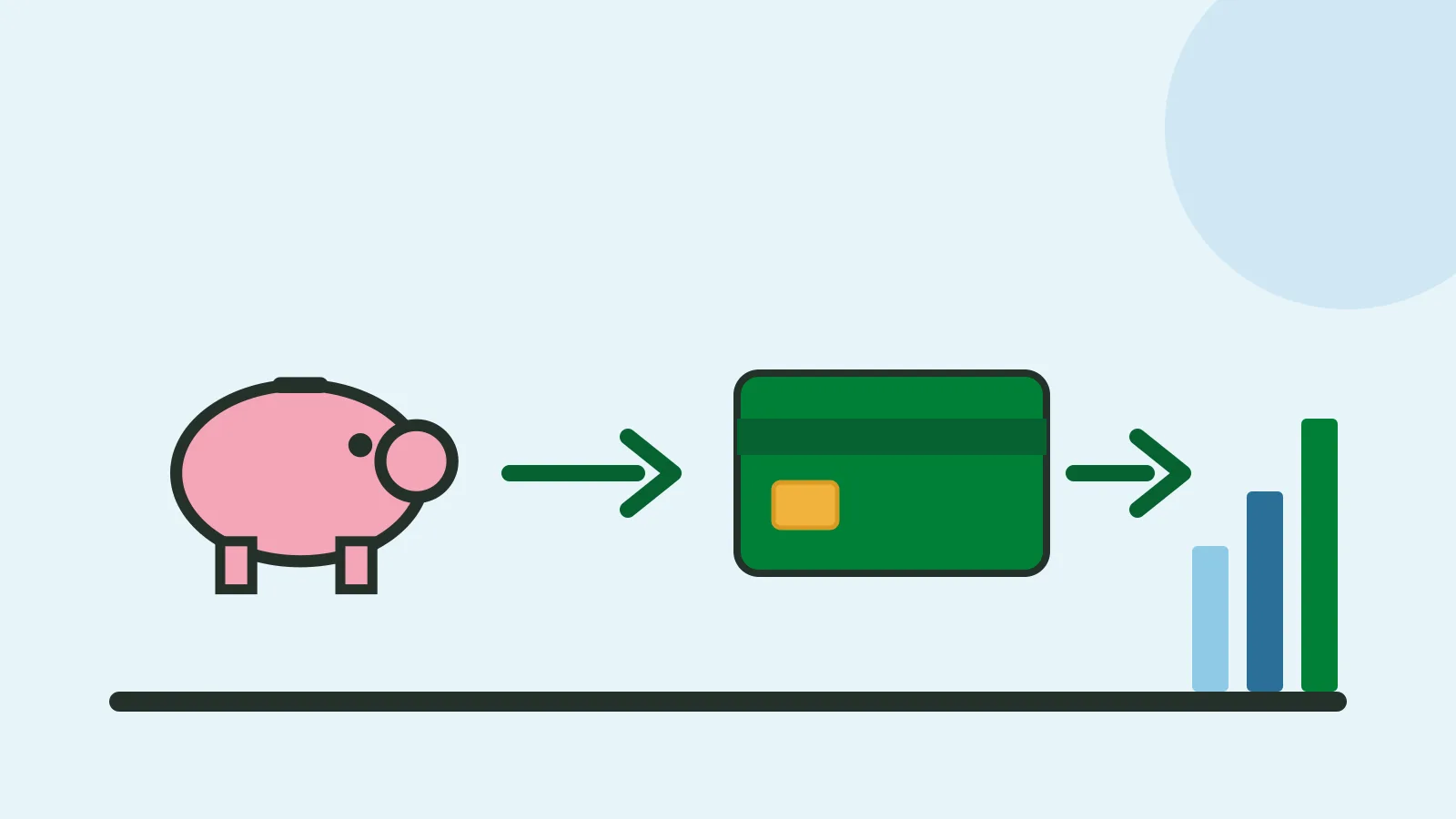
- Ages 5–8: physical jars and coins. Small amounts and short savings goals of a few weeks.
- Ages 9–12: the child’s own bank account and perhaps a debit card for spending money. Savings can move to a savings account or a fund. The jar idea stays even when the money is digital.
- 13 and older: summer job pay, their own budget and first investments. A teenager can understand how regular fund saving grows with compound interest.
Tips for parents
- Let your child make mistakes. If all the spending money goes on sweets on the first day, that is a cheap lesson. Don’t top up the jar.
- Matching motivates. If the child is saving for something big, a parent can add, say, one euro for every two euros saved.
- Talk about money out loud. Explain why you save or why you decide not to buy something. Children learn most from example.
- Keep the rule simple. A split that needs no calculating stays in use. Euro amounts work better than percentages for a young child.
- Giving doesn’t have to mean charity. For a young child, a present for a friend or a purchase for a food bank can feel more concrete.
Books on the topic
- Smart Money Smart Kids, Dave Ramsey and Rachel Cruz (2014). A book for parents with the give–save–spend model and lots of practical advice for different ages. More of Dave Ramsey’s advice on kids and money is on his website, Ramsey Solutions.
- Koululaisen rahakirja, Terhi Majasalmi and Camilla Tuominen (2017). A Finnish book for schoolchildren and their parents, with the three-account model and exercises for reaching your goals.